The Lowest Unit Price Can Be the Wrong Procurement Metric
Compare acquisition, handling, upkeep, replacement and service availability using a shared planning horizon and explicit assumptions.
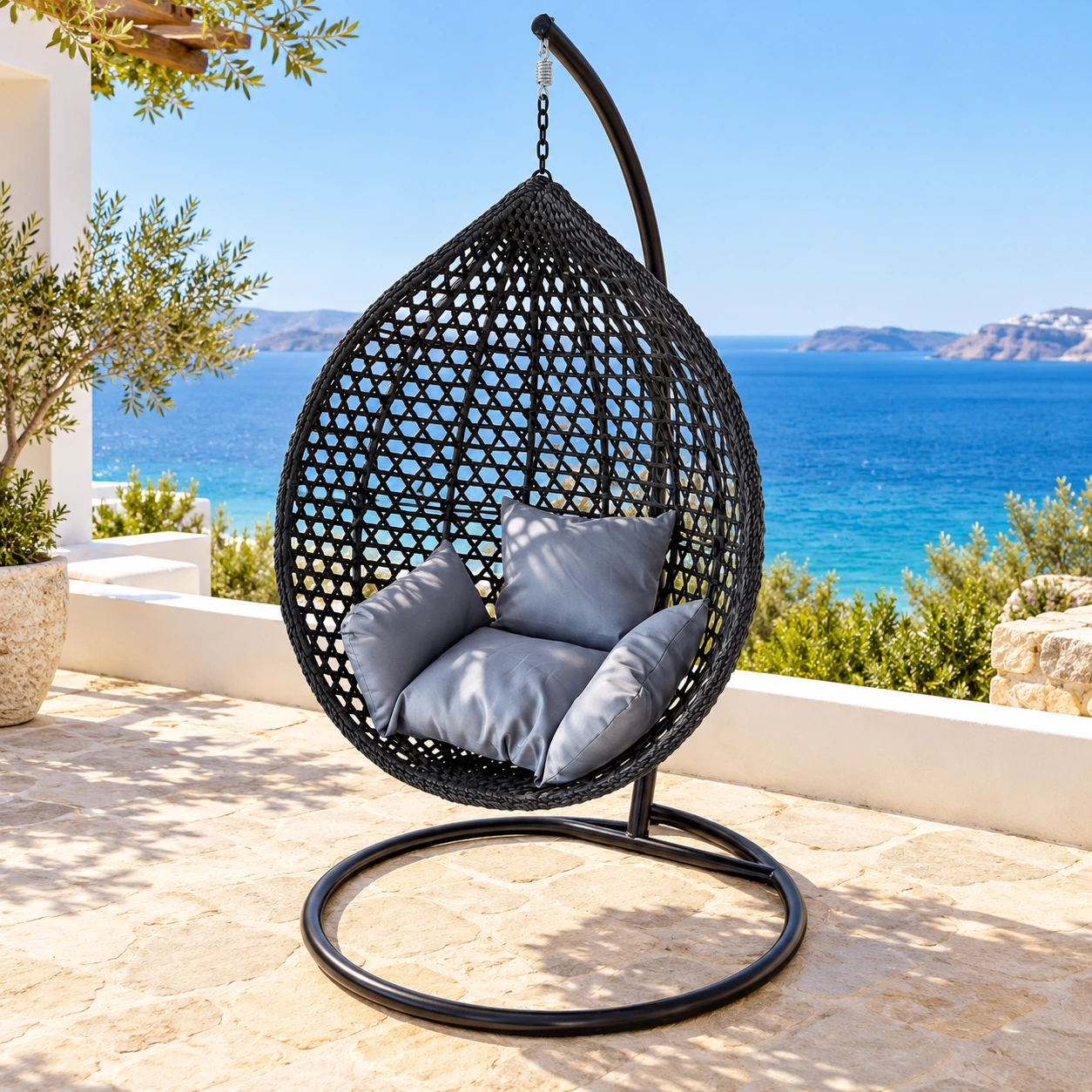
The invoice records only part of the decision
A unit price is easy to compare because it appears as a single number. The work surrounding that unit is less visible: receiving it, assembling it where required, moving it, cleaning it, storing it and dealing with damaged or worn components.
For a hotel, that work can influence whether the furniture remains usable and presentable through normal operations. The purpose of an ownership-cost comparison is not to prove that the expensive option always wins. It is to reveal which assumptions make each option attractive, and which costs are being left outside the quotation.
Use one planning horizon and the same scope
Choose the period that matches the property's purchasing decision, then compare the same number of usable places or complete arrangements. Include the same delivery point, assembly scope, accessories and packing requirements. Keep recoverable taxes and other accounting treatment consistent with your own finance policy.
A practical worksheet can separate acquisition and delivery, assembly, scheduled care, handling and storage, expected replacement parts, and end-of-use costs. If the team wants to include disruption, record it separately. Do not mix an uncertain lost-revenue estimate into an apparently precise purchase-price calculation.
Replace guesses with observable tasks
Ask operations to describe a normal cleaning or rearrangement cycle. Which team performs it? Which tools or consumables are used? How is furniture moved to storage? A timed sample task can give a more useful starting point than a claim that one material is effortless.
Apply the same procedure to each candidate. Keep measured observations separate from assumptions about future frequency and labor cost. If an item needs special handling or additional drying space, show that requirement explicitly instead of hiding it inside a broad maintenance allowance.
Model repairability as a purchasing option
Ask which parts are available, how they are identified and whether the hotel can replace them. Confirm the expected supply process for feet, cushions, surfaces or mechanisms where applicable. A theoretical spare-part list is less useful if the quoted product has no clear replacement route.
Then compare the consequences of a component problem. Can the unit return to service after a straightforward part change, or does the assembly need workshop attention? Use confirmed scope and realistic scenarios rather than inventing failure rates. The planning model should make uncertainty visible.
Read the warranty alongside the operating plan
A warranty is a defined service commitment, not a complete estimate of ownership cost. Clarify the covered condition, evidence needed, replacement scope and the process for resolving a claim. Ask how transport and on-site work are handled in the applicable agreement.
SUNNY Furniture's published FAQ states a free one-year warranty for non-human-caused damage and lifetime replacement parts at cost for accidental human-caused damage. Confirm the terms for the selected order. Do not count all future repair work, shipping or installation as free unless those items are expressly included.
Use ranges to make a better decision
Run a simple sensitivity check: what changes if cleaning frequency is higher, if a component needs replacement, or if seasonal storage becomes necessary? Keep those as planning scenarios, not predictions that a model will fail after a specific period.
Discuss the results with design, purchasing, operations and finance. The right choice may still be the lower-priced model, particularly when its scope fits the property's use. Or a different construction may be justified by an operating requirement. A good procurement decision explains that reasoning with evidence and assumptions, rather than replacing analysis with either cheapest or premium.
Discuss your project
Discuss your project specification ↗Model reference: SN-HC01
Configuration: Hanging chair · Single seat; Basket: 105 × 120 × 68 cm.
View SN-HC01 specifications →